

Hospital Increases Sleep Testing Capacity by 290% With Dropship Model
Key takeaways:
- RWJUH Somerset increased its monthly home sleep testing capacity by 290% and reduced turnaround times to one week or less after adopting Wesper’s dropship model.
- The direct-to-patient approach eliminated the need for in-office device pickup, freeing techns to focus on clinical review rather than logistics.
- Removing device scarcity constraints allowed the sleep program to introduce multi-night diagnostic studies and at-home CPAP titration without adding staff or infrastructure.
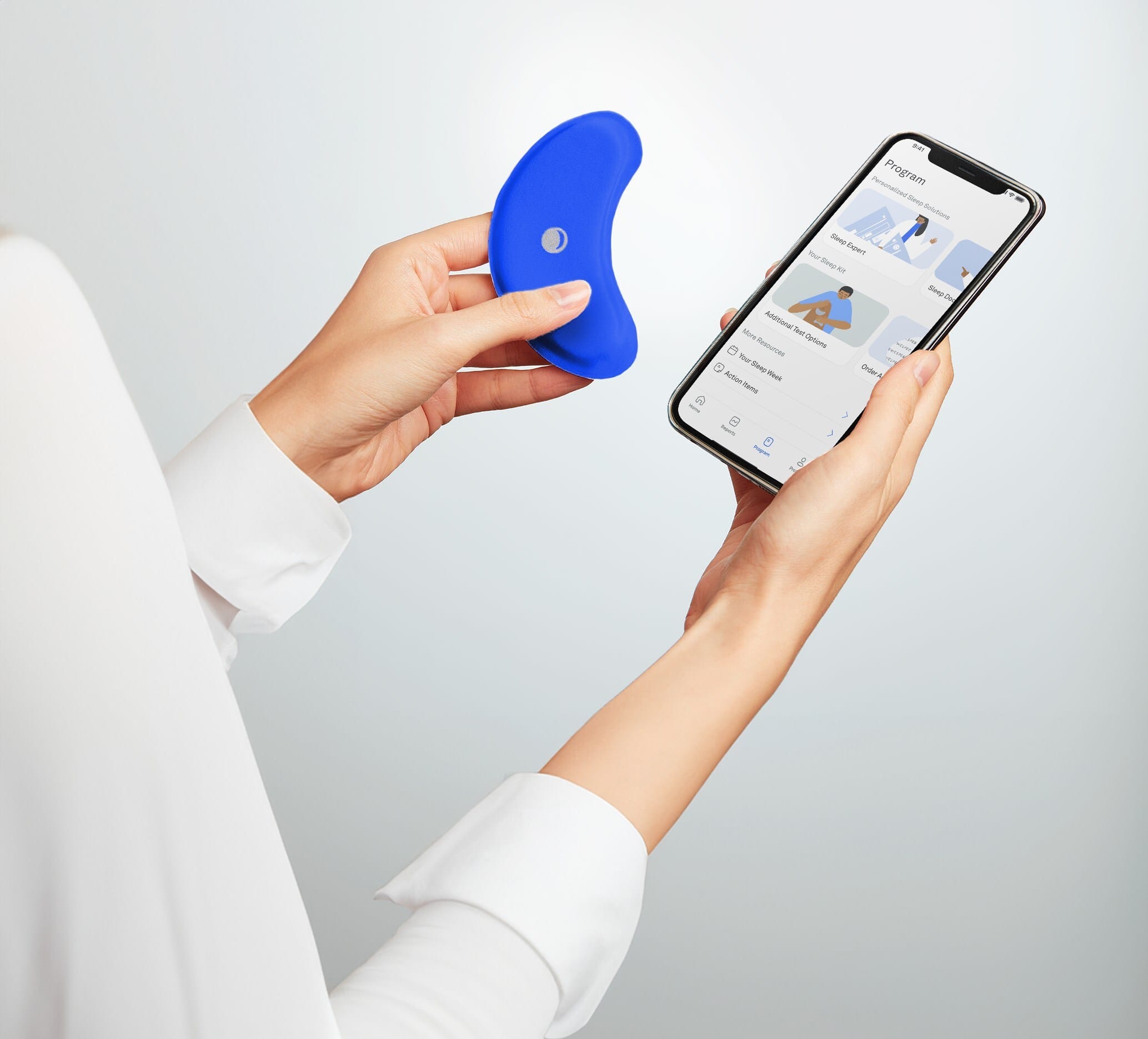
Robert Wood Johnson University Hospital (RWJUH) Somerset expanded its monthly sleep testing capacity by 290% following the implementation of Wesper’s direct-to-patient, dropship home sleep testing model, according to a newly released whitepaper.
Prior to the transition, RWJUH Somerset faced a growing demand for sleep apnea testing but was limited by its infrastructure. Operating with only home sleep testing (HST) devices, the hospital required patients to pick up and return equipment in person. Staff then had to clean, reset, and redeploy the devices. This physical limitation created a ceiling of approximately 30 patients per month and led to a waiting list of nearly two months.
“If one or two devices were delayed, effective capacity dropped immediately,” says Samer Gerges, of RWJUH Somerset, in a release. “The device, not the clinician, was dictating throughput.”
By transitioning to Wesper’s dropship model, devices are now shipped directly to patients. Within the first month of implementation, RWJUH Somerset eliminated its two-month backlog and reduced effective turnaround time to one week or less. The direct-to-patient approach also expanded the clinic’s geographic reach, allowing patients living two or more hours away to complete testing without traveling to retrieve or return equipment.
“It was a huge difference when we first switched over,” says Gerges, of RWJUH Somerset, in a release.
The shift to a dropship model also unlocked new clinical capabilities for the hospital. With device scarcity removed as the primary constraint, RWJUH Somerset can now:
- Conduct multi-night diagnostic studies (two to three nights).
- Perform at-home CPAP titration. (Before, extending a device for multiple nights meant even fewer patients could be tested that month.)
These operational improvements were achieved without increasing physical infrastructure or adding headcount. Techs now spend less time managing device logistics and more time focused on clinical review and patient care. A dedicated support team from Wesper also assists with patient questions regarding setup and app usage, reducing inbound calls to the clinic.
Currently, insurance authorization represents roughly half of the remaining bottleneck time, shifting the primary constraint from device infrastructure to payer processes.






![The 6 Best Business Credit Cards for Drop-Shipping [2026]](https://links.fastx.co.uk/wp-content/uploads/2026/03/Amex-Business-Gold-Upgraded-Points-LLC-3-large-scaled-1-130x90.jpg "The 6 Best Business Credit Cards for Drop-Shipping [2026]")