Why the World Still Runs on SAP

With AI, startups and their clients have centered their consideration on net-new capabilities and the merchandise they’ve enabled. Assume shiny new voice brokers, workflow automation instruments, and text-to-app platforms.
Whereas there have been and might be many thrilling companies in these classes (we’re invested in a number of!), AI may have a large affect on one thing far much less glamorous and way more priceless: serving to organizations get extra from the massive quantity of software program they already run. To ask a query that sounds virtually disrespectful till you’ve spent every week in a Fortune 500: why do individuals nonetheless use SAP (and ServiceNow, and Salesforce) in any respect?
The quick reply is that SAP, or any main legacy system of file, captures essential knowledge throughout the companies that use it. However on prime of that, the enterprise has personalized it and constructed a set of particular procedures and roles on prime of it, a lot of which isn’t truly documented anyplace. Transferring off has been painful, costly, and time consuming – typically requiring a military of consultants, years of time and a whole bunch of thousands and thousands of {dollars}. Upgrading from SAP ECC to SAP S4HANA can value $700M, take 3 years, and require a crew of fifty from Accenture. After which after the transfer, the software program is nearly solely helpful for producing read-only experiences which can be not possible to control.
That’s till now. AI unlocks that chance to improve, customise, change, and admittedly higher entry and use the information captured in these methods of file.
Finally, the vacation spot with AI won’t be to “change SAP/ServiceNow/Salesforce,” however to make them extra programmable and approachable. The winners would be the platforms that (1) plug into transformation budgets with measurable threat and timeline discount, then (2) increase into day-to-day operations because the trusted management airplane for work, steadily unbundling the legacy UI into composable, ruled, AI-assisted actions and skinny apps. In different phrases, the methods of file endure; the interface, automation, and extension layer turns into the brand new software program frontier.
SAP is Painful, And But We Nonetheless Use It
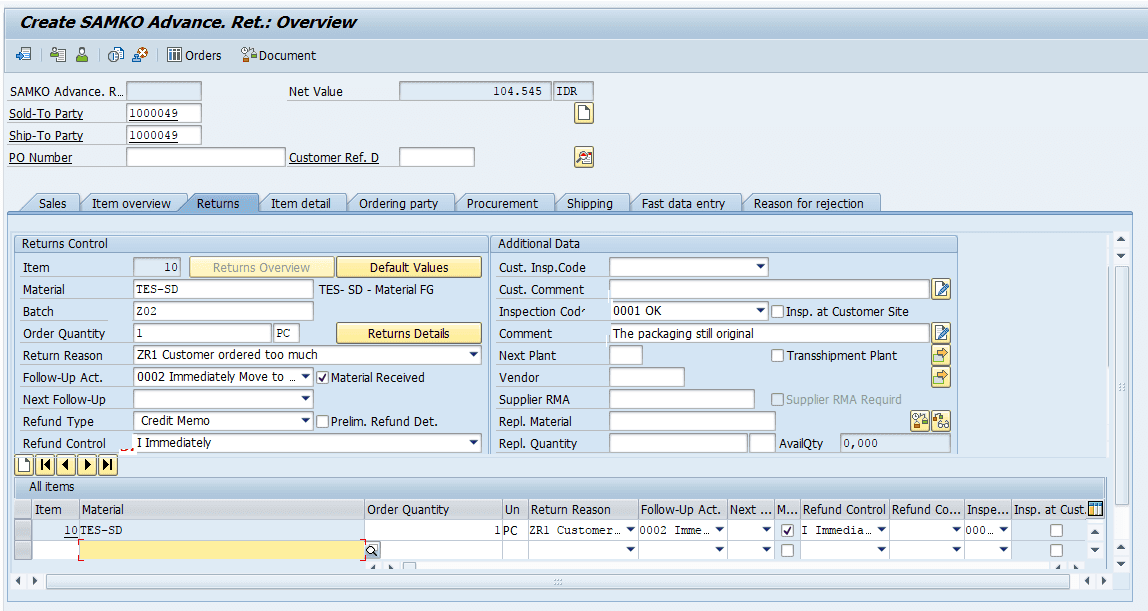
To set the stage right here, let’s share a bit about SAP and what it does. On the floor, these methods are arduous to navigate, painful to alter, and by some means nonetheless the spine of how the world’s largest organizations function. Think about what it appears to be like like to make use of SAP!
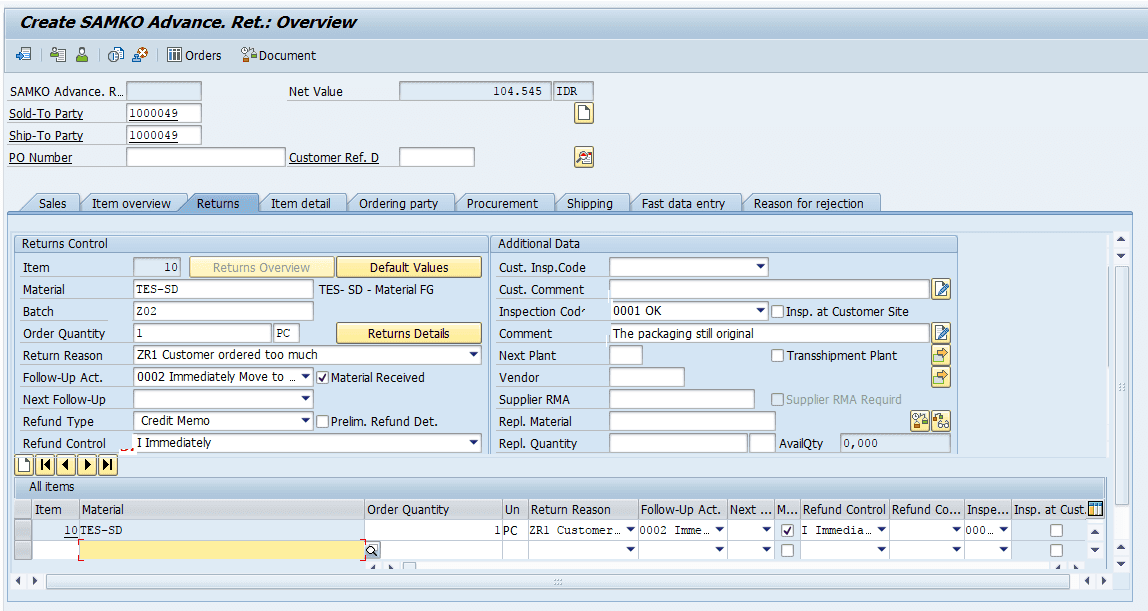
However that “by some means” is the chance.
The uncomfortable reply is that, beneath the ugly UI and the limitless configuration, these methods are very highly effective: they encode the canonical knowledge mannequin of the enterprise, the permissions and controls that hold it compliant, the workflows that make it operable at scale, and the integrations that join dozens (or a whole bunch) of downstream processes. They’re not “apps” within the client sense, they’re collected institutional reminiscence expressed as tables, roles, approvals, posting logic, and exception dealing with.
Changing that is extra than simply costly; it’s dangerous. And the extra an organization has invested – customized fields, workflows, pricing guidelines, reporting logic – the extra the system turns into a moat of switching prices and a aggressive benefit. That’s additionally why extensibility is so highly effective: each enterprise is exclusive, change is fixed (new laws, new merchandise, new org constructions), and these platforms survive as a result of they are often bent to suit actuality. The problem is that the identical extensibility that makes them priceless additionally makes them brittle: every customization turns into a future improve landmine, every workflow a maze, every display screen a tax on each human who has to make use of it.
This brittleness exhibits up in every single place. Person satisfaction with CRM stays combined regardless of broad adoption, and heavy customization in ERP is constantly tied to timeline and funds overruns. Employees are drowning in fragmented workflows – digital staff toggle between totally different purposes ~1,200 times per day (about 4 hours every week misplaced), and 47% of digital staff battle to seek out the knowledge they should do their jobs. Giant-scale “transformations” routinely stumble; one estimate has roughly 70% failing to fulfill targets. The spend tied to this friction is gigantic: the software program implementation/system integration market alone was about $380B in 2023.
The method and ache right here presents a possibility for AI to alter the best way this software program is carried out and used. The simplest technique to perceive the chance is to comply with the lifecycle of the suite: first you implement or migrate it, then you definitely stay inside it on daily basis, and then you definitely construct on prime of it because the enterprise adjustments. In every part, the job is popping messy human intent into right, auditable motion towards methods of file.
Let’s think about how AI can enhance how we use legacy software program methods at each stage.
Implementation
Let’s begin with implementation – the riskiest, most budget-sensitive part and the one with the clearest payback. Concretely, that appears like turning messy discovery (conferences, docs, tickets) into structured necessities, then auto-producing the implementation workstream: course of and subject mappings, config and code, check scripts, cutover plans, and migration playbooks – plus the information cleaning and validation wanted to go stay. That is arduous to get proper: German grocery store big Lidl as soon as famously scrapped its effort to transition onto SAP after spending $500 million.
Firms right here construct copilots, mission administration instruments, and different software program to assist with migrations and implementations. Listed below are some examples of startups working within the area (Andreessen Horowitz is invested in a few of these corporations):
- Axiamatic is an AI “assurance” layer for ERP: it builds a information graph from mission artifacts and flags hidden failures in necessities/change administration through Slack/Groups to de-risk and speed up S/4HANA packages (partnered with SAP Construct; baked into KPMG/EY/IBM motions).
- Conduct is a code- and process-mapping copilot that generates a semantic layer and technical documentation throughout ECC→S/4, with Q&A over customized tables/APIs to hurry inside takeover.
- Auctor does agentic implementation supply for SIs/professional companies, auto-capturing discovery into structured necessities earlier than changing into a system of file for SOWs, design docs, consumer tales, configs, and check plans.
- Supersonik helps with AI-powered product enablement for channels/MSPs and clients – imaginative and prescient and voice brokers that educate inside the actual UI, decreasing SE headcount wants and enabling reseller-led implementations/expansions.
- Tessera’s AI-native SI manages enterprise transformations end-to-end – connecting right into a buyer’s current ERP occasion, evaluating the way it’s carried out, after which flagging/routinely remediating what must be modified throughout migration.
These corporations create worth by making transformations quicker, cheaper, and fewer dangerous. They do that in a couple of key methods: catching issues early in necessities and alter administration earlier than they snowball, compressing timelines (the place a single slipped month can value thousands and thousands, turning messy mission knowledge into structured information so inside groups can take possession quicker, and decreasing reliance on massive SI groups by automation of mapping, documentation, testing, and enablement.
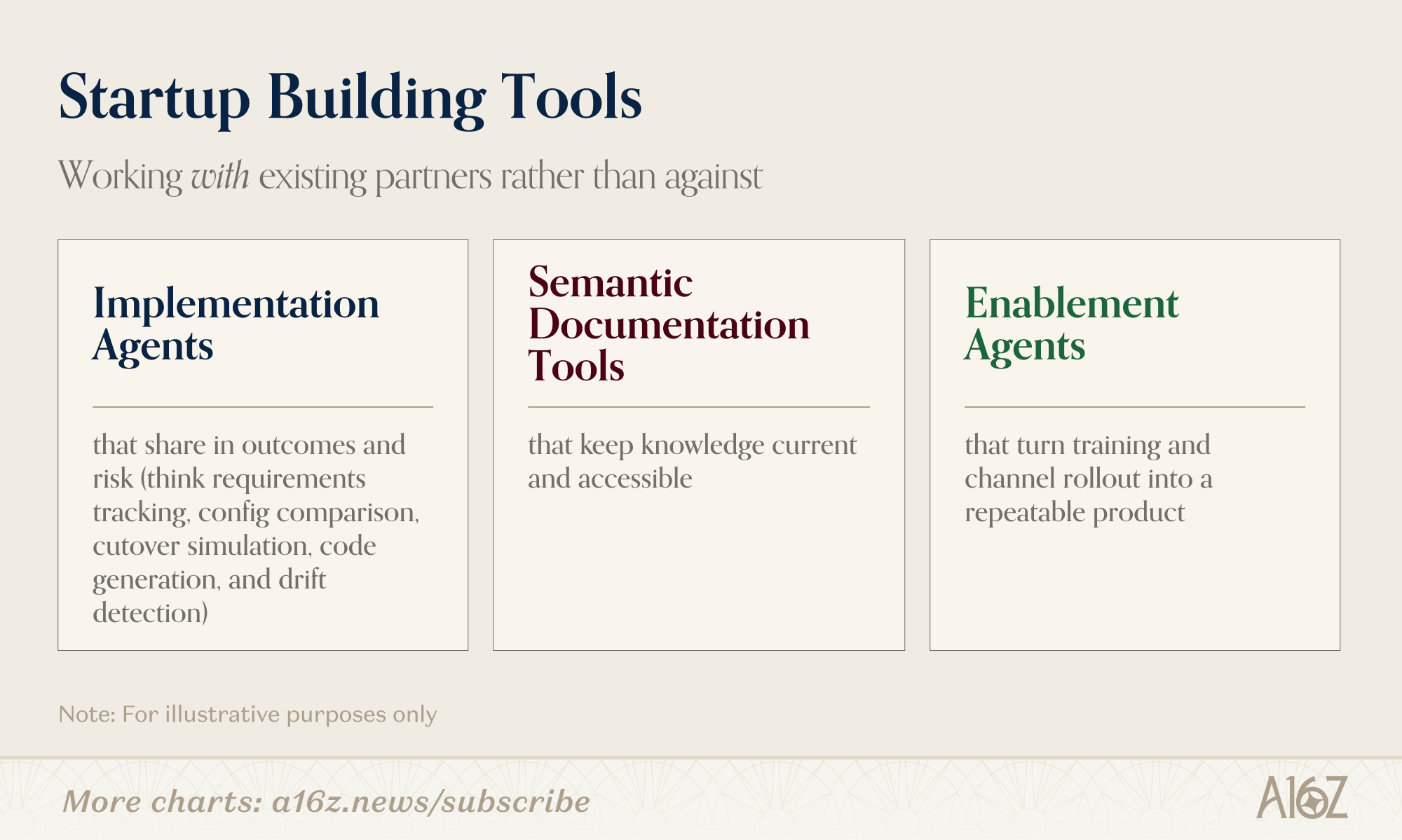
We see room for extra startups constructing instruments that work with current companions somewhat than towards them. Particularly:
- Implementation brokers that share in outcomes and threat (suppose necessities monitoring, config comparability, cutover simulation, code technology, and drift detection)
- Semantic documentation instruments that hold information present and accessible
- Enablement brokers that flip coaching and channel rollout right into a repeatable product
As a result of startups can alleviate enterprise-level burdens, they’ll value to the delay averted, and promote into the transformation budgets CIOs and CFOs are already spending, displacing bloated SI engagements within the course of.
Utilization and Upkeep
Subsequent, after a software program suite has been carried out, utilizing it means navigating the mess of a UI these software program suites have at the moment. Day-to-day work spans dozens of screens, function turnover resets know-how, and an extended tail of edge-case workflows by no means will get first-class product therapy. Customers spend time attempting to find fields, mirroring knowledge between methods, and asking ops groups to “simply run this report.” The result’s gradual cycle occasions, avoidable errors, and protracted coaching burden.
The chance is for AI to wrap legacy methods with a friendlier, extra succesful “system of motion.”
Firms on this class construct instruments that assist groups get extra out of the methods they already use. In follow this appears to be like like a copilot that lives in Slack or as a browser sidecar, that may reply “The place can I discover X?” or “How do I do Y?” utilizing semantic search , after which take secure actions (create a case, put up a journal entry, replace provider phrases) through APIs when out there. These instruments can even chain collectively compose multi-app workflows (“pull final quarter’s POs from SAP, verify contract phrases in Coupa, draft a variance word in ServiceNow”), with human approval steps, audit trails, and granular RBAC. The perfect ones monitor adoption, time saved, and error charges.
Quite a lot of the work that issues in enterprises nonetheless isn’t uncovered cleanly by APIs – it lives in screens, thick purchasers, VDI periods, and half-documented admin consoles. That’s why trendy “computer-use” agents are such an essential complement to API-first copilots: they increase the reachable floor space of automation to the final 30–40% of workflows the place there merely isn’t a dependable endpoint to name. The core functionality isn’t “clicking buttons,” it’s reliability below mess – brokers that may understand the UI, anchor to secure components, get well from pop-ups and structure drift, and checkpoint progress to allow them to resume safely mid-flow. When paired with validation (diffs, reconciliations, sandbox runs) and enterprise controls (SSO, secrets and techniques, least privilege, audit), this turns what was once guide work into ruled, repeatable automation – ticket triage, period-close steps, buyer updates, pricing adjustments – even within the components of SAP/ServiceNow/Salesforce that distributors by no means constructed for automation. APIs make the blissful path quick, and computer-use makes the lengthy tail automatable.
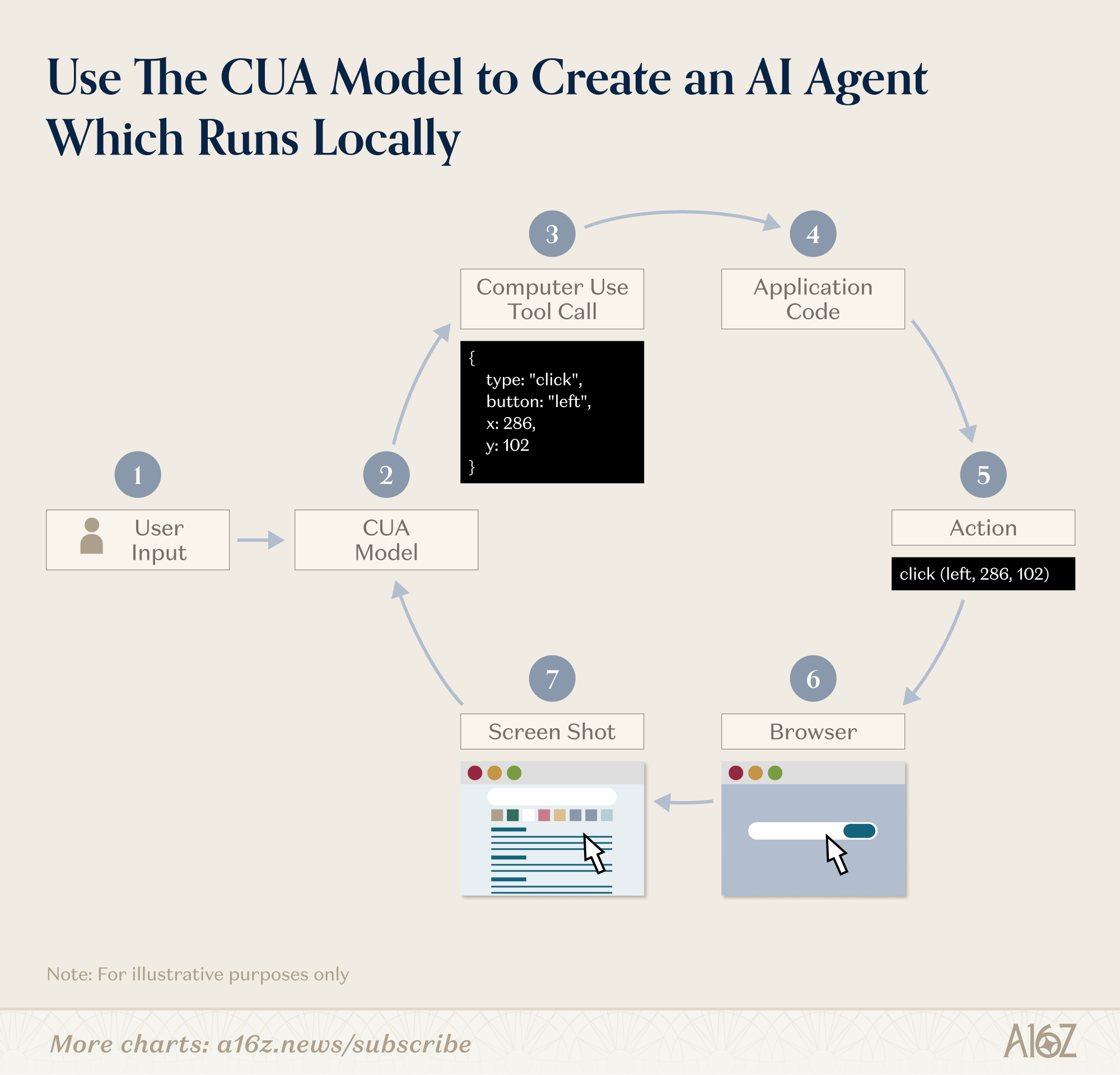
Firms like Factor Labs and Sola are already deploying these brokers in manufacturing, changing BPO spend and serving to massive organizations automate duties at scale.
Extensions
Lastly, even for those who make SAP/ServiceNow/Salesforce simpler to make use of, your online business will hold altering which implies your system of file should as properly. New merchandise, new insurance policies, new acquisitions, new laws, and an extended tail of workflows that may by no means justify a core-module mission imply fixed work to maintain software program related to the precise state of your online business. Traditionally, groups have had two choices: customise the suite (and inherit the brittleness tax) or construct one-off apps (and battle to combine, govern, and keep them). That is the third wedge for AI: transport small, ruled experiences on prime of methods of file, quick, whereas conserving the core clear.
Constructing net-new instruments and automations on prime of legacy estates turns into the “Lovable” layer over unloved software program. The sample begins with a unified data-and-action airplane: learn from methods of file through APIs and occasions (and secure UI seize the place wanted), normalize right into a semantic mannequin of enterprise objects (orders, distributors, instances), then expose a ruled set of actions with RBAC, approvals, and audit.
On prime of that airplane, groups ship centered experiences that really feel trendy and purpose-built. As an alternative of sending a procurement analyst by 12 SAP transactions to onboard a provider, you give them a single “Vendor Onboarding” skinny app that gathers paperwork, checks duplicates, routes approvals, and posts the proper data again to SAP. As an alternative of asking RevOps to open 5 Salesforce screens to replace renewal phrases, you give them a spreadsheet-speed editor that may bulk-edit, validate towards coverage, preview affect, after which commit adjustments with a full audit path. As an alternative of one more “portal mission,” you give frontline groups a command palette that may reply questions and execute the handful of actions they do on daily basis (“create return,” “lengthen credit score,” “open a Sev-2,” “put up accrual”) throughout a number of methods, with out spelunking by 20 tabs.
These extensions additionally unlock cross-system workflows and automations that no single vendor would ever prioritize: event-driven triggers like “if bill posted AND variance >3% → draft a proof → route for approval,” or “if ticket reopened twice → create downside file → assign proprietor → replace buyer,” with human-in-the-loop checkpoints the place it issues. Over time, essentially the most priceless deployments flip into reusable “intent packs” — quote-to-cash, vendor onboarding, interval shut — that encode not simply what to do, however the right way to do it safely in your surroundings.
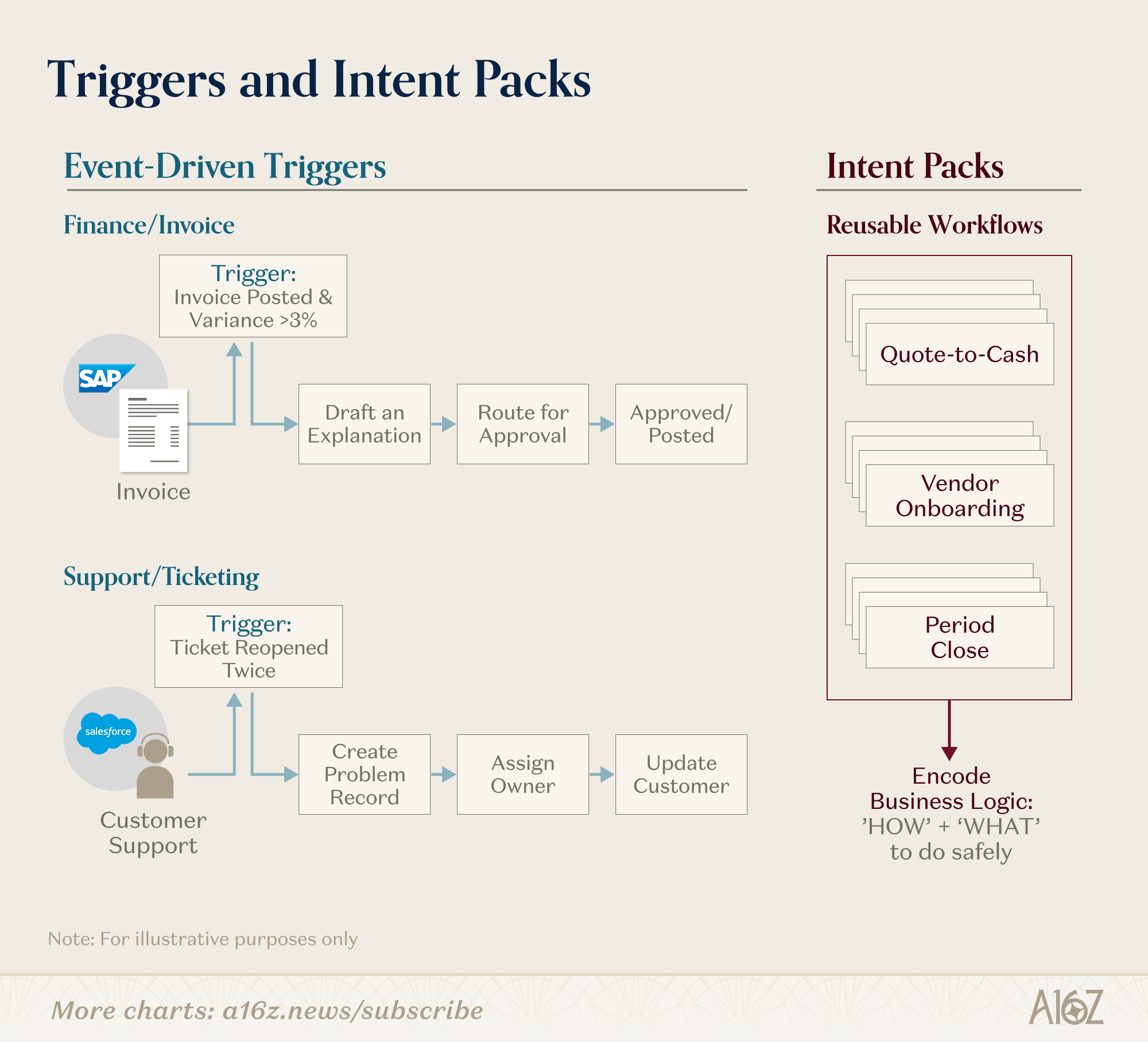
Platforms like Normal Magic’s Cell make the constructing blocks for architecting these bespoke workflows tangible: you add OpenAPI specs so each endpoint turns into an motion, then embed a local command bar with a single script tag that executes actual API calls, backed by analytics, multitenancy, safety guardrails, and RBAC, so the work shifts from rebuilding one other UI to composing the proper actions and insurance policies on prime of methods you already belief.
What does the endgame seem like?
We predict legacy methods will principally persist, however they’ll cease being the floor space the place work occurs. ERPs, CRMs, and ITSM suites are too embedded to be ripped out on a typical software program cadence; they evolve slowly and stay methods of file. What is going to change is the user-facing “system of motion” that sits on prime: AI will develop into the default interface for locating how the system works, executing workflows throughout it, and transport small, trendy experiences that bypass legacy UI altogether. In different phrases, the bridge turns into the freeway.
Enduring software program on this class will look much less like a chatbot and extra like an working layer: a unified knowledge and motion airplane with a semantic mannequin of enterprise objects, plus guardrails that make AI reliable in manufacturing. For those who’re an finish consumer, as an alternative of studying which display screen, subject, and transaction code to make use of (after which re-learning it each time the UI or course of shifts), you describe the end result you need and the system will get you there. You’ll ask a pair clarifying questions, be proven a preview of what it’s going to do, after which the instrument will execute with the proper approvals and an audit path. Closing the loop appears to be like like “create a return and notify the client,” “open a Sev-2 and pull the final three associated incidents,” or “onboard this vendor, accumulate the docs, route approvals, and set cost phrases” — actions that at the moment require hopping throughout SAP, Salesforce, ServiceNow, and spreadsheets. This provides us fewer errors and reversals, much less dependency on tribal information, quicker cycle occasions, and dramatically decrease coaching burden as a result of the interface is intent-driven, role-aware, and self-serve by default.
The moat compounds from actual utilization: each profitable workflow turns into a reusable intent, each exception turns into a guardrail, each migration artifact turns into residing lineage, and each integration deepens the graph of how the enterprise truly runs. Over time, the “AI layer” turns into the place groups go to know change affect, forestall drift, measure ROI, and ship new workflows, even when the underlying methods stay the identical.