Code Modules vs Custom HTML Wrappers In Divi 5 – Fast Blogs World
One among Divi 5‘s most sensible newer options, Custom HTML Wrappers, provides two devoted fields — HTML Earlier than and HTML After — contained in the HTML choice group within the Superior tab. These allow you to place customized HTML straight earlier than or after a component’s output, placing code precisely the place you need it. This expands on the normal Code module, which nonetheless excels at standalone customized HTML, CSS, JavaScript, shortcodes, and third-party embeds.
On this submit, we’ll examine the longstanding Code Module with Divi 5’s Customized HTML Wrappers. We’ll clarify when to make use of every strategy and spotlight the important thing enhancements wrappers deliver: larger flexibility, cleaner markup, lowered format bloat, and higher efficiency potential.
Let’s dive in.
What Is The Code Module In Divi 5?
The Code Module has all the time been a dependable approach so as to add customized code that normal modules couldn’t deal with out of the field. It’s a devoted Divi module designed for inserting uncooked code straight into your layouts.
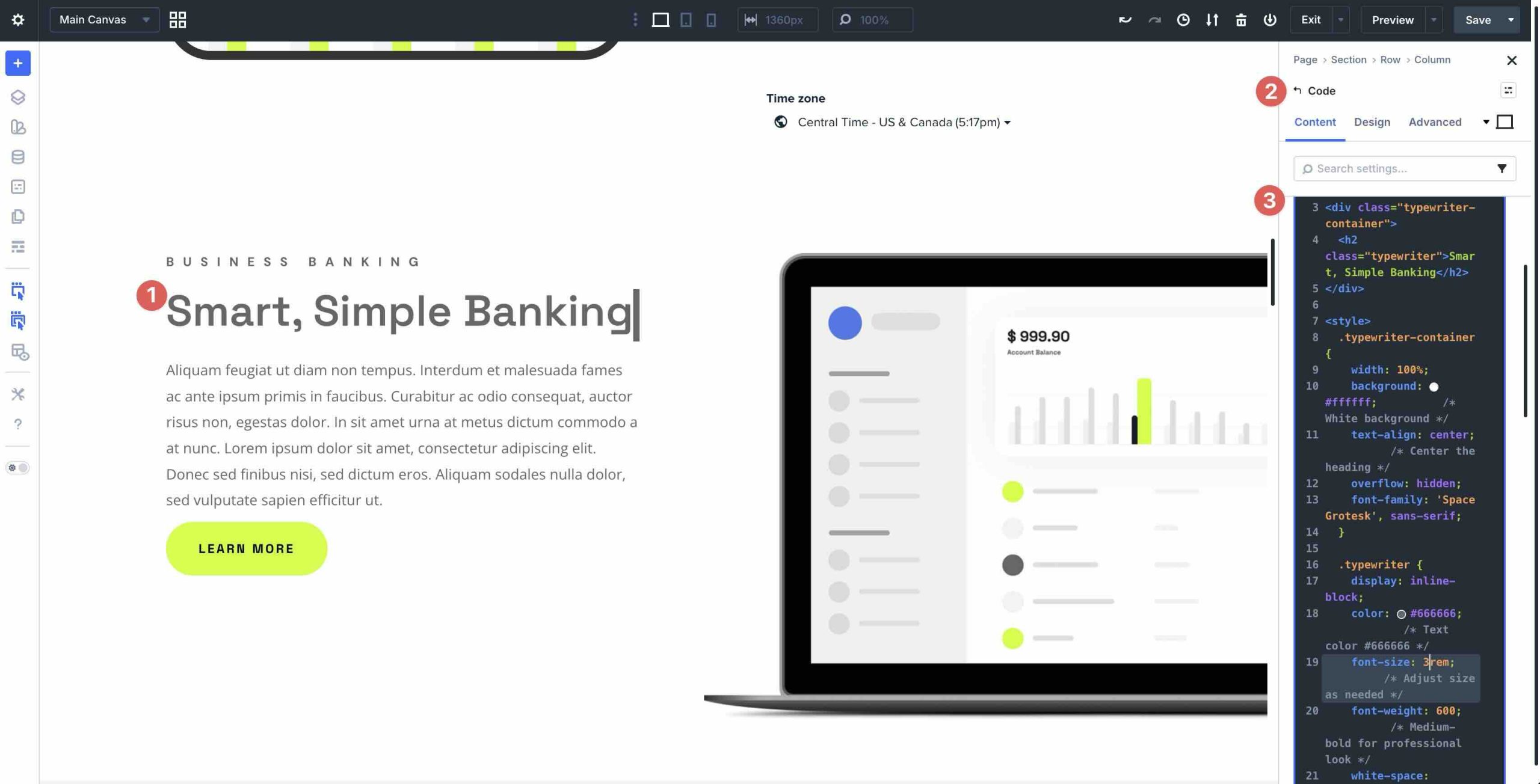
At its core, the Code Module provides you a built-in code editor, making it simple to write down HTML, CSS, and JavaScript proper contained in the Visible Builder. You’ll be able to drop in full snippets of markup, shortcodes, CSS guidelines, or scripts while not having an exterior editor.
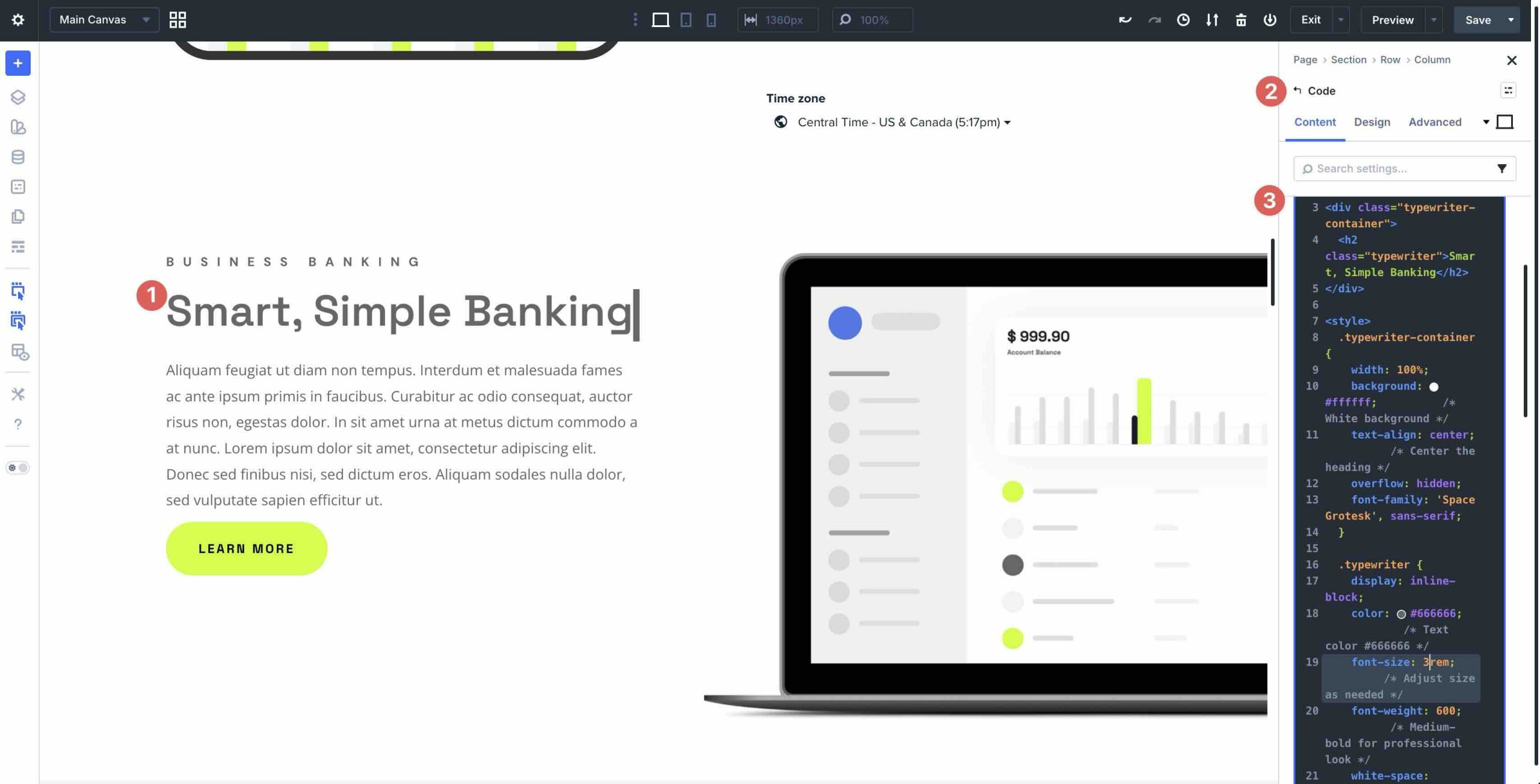
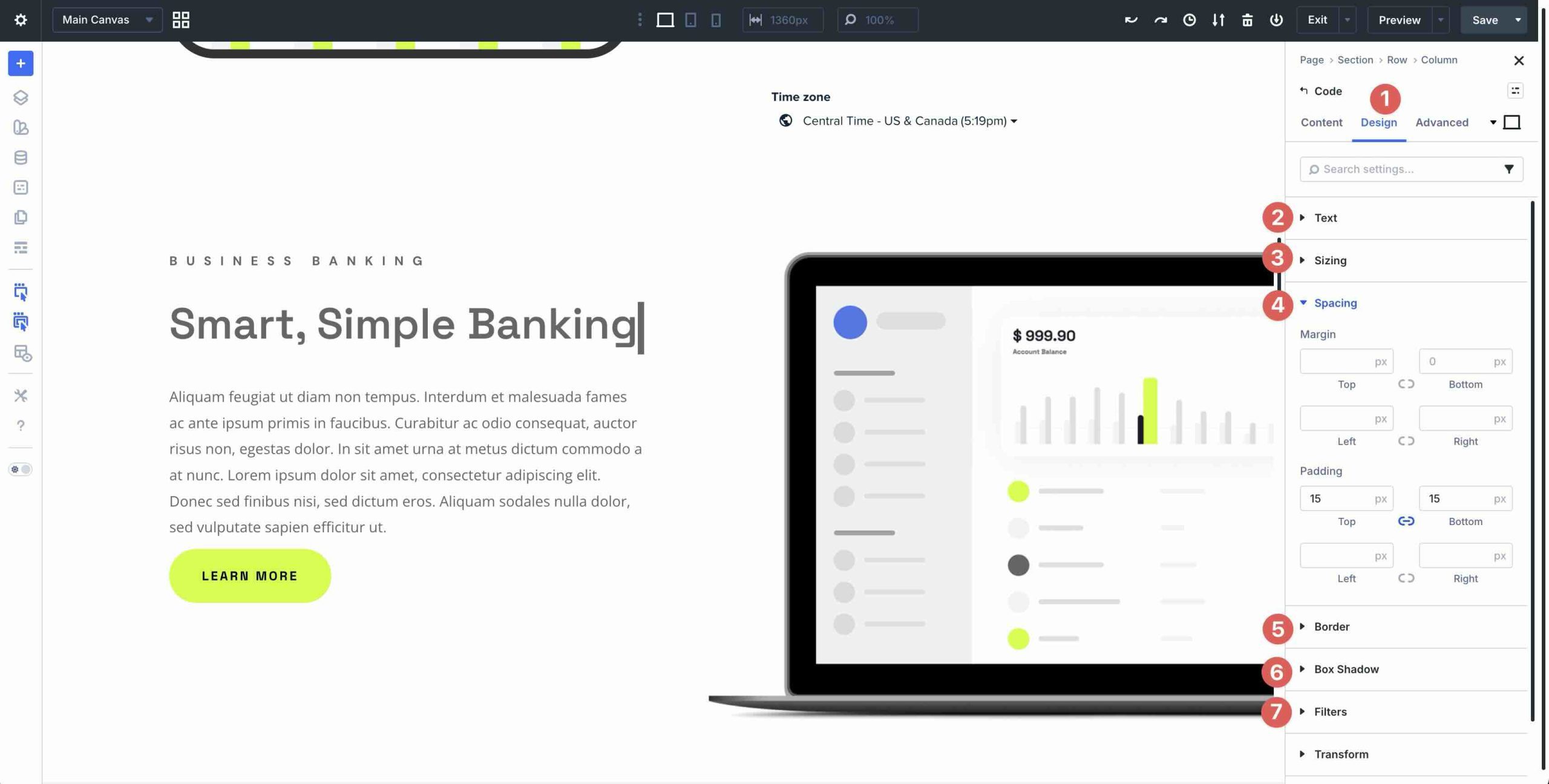
As a result of it’s a full Divi module, it additionally inherits design controls for background settings, textual content alignment, sizing, spacing, and extra.
Key Options
The Code Module is ideal for standalone third-party embeds and customized blocks, corresponding to calendars, varieties, maps, iframes, widgets, and extra, so you’ll be able to place them wherever in your format similar to some other module.
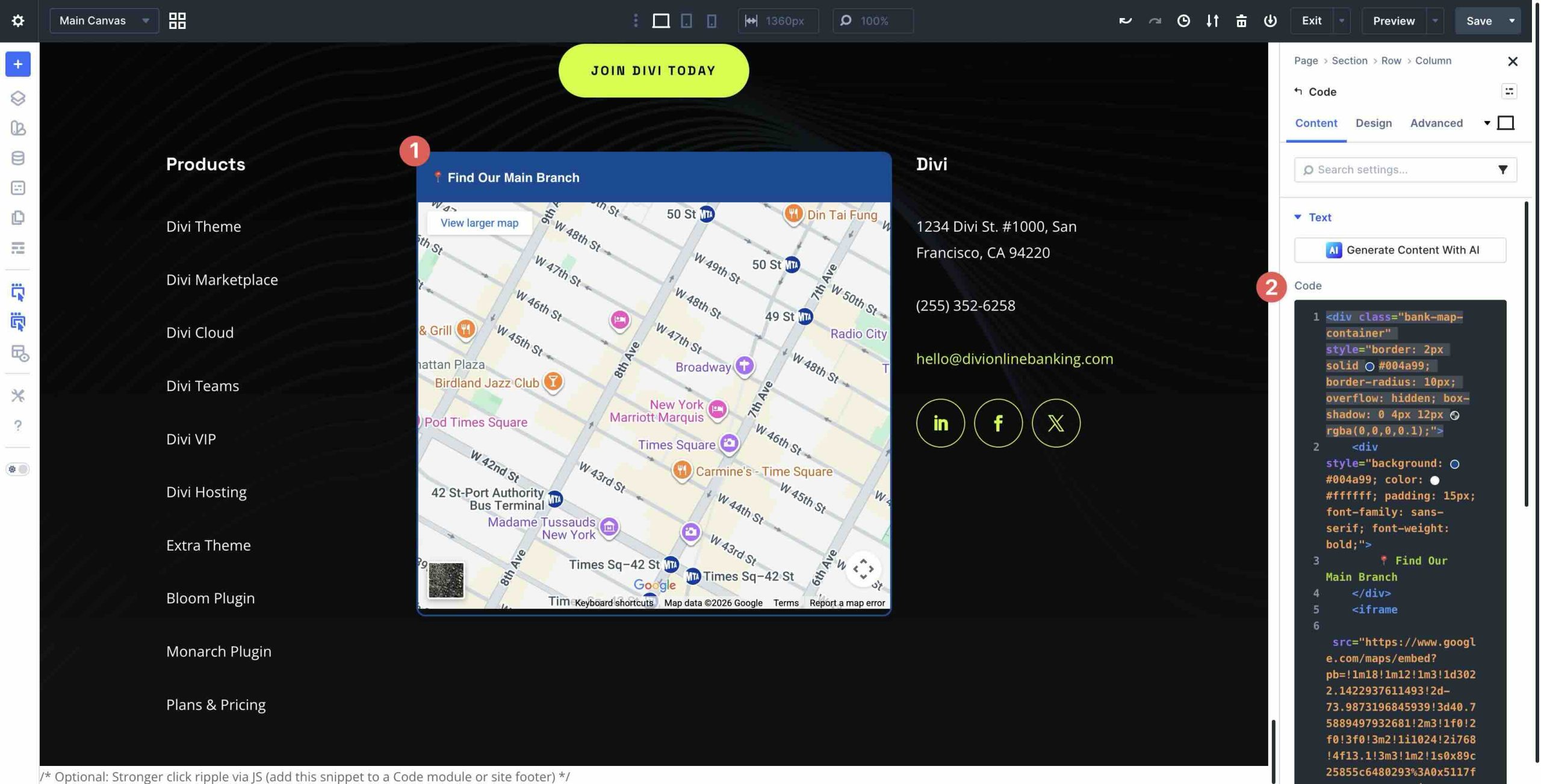
It additionally works seamlessly with Divi AI. You’ll be able to generate customized interactive elements, results, and purposeful snippets utilizing easy textual content prompts. For instance, you’ll be able to describe a fundamental forex converter for a banking web site in only a few phrases, and Divi AI can output the HTML, CSS, and JavaScript straight into the module.
This mix makes the Code Module a go-to alternative for including additional performance to your Divi web site. Whether or not you want a fast embed, a customized script, or a self-contained interactive characteristic, it stays one of many quickest methods to increase what Divi can do with out leaving the builder.
Limitations
The Code Module has some limitations because of how Divi constructions its components. As a result of it’s handled as a totally separate block, it could actually’t straight wrap, precede, or observe different modules or components with out additional workarounds. With the Code Module, you’ll be able to’t neatly add opening and shutting tags round an present Button, Picture, or Part. It could possibly’t attain these spots by itself, so that you usually find yourself including additional structural components, which might result in format bloat, extra sophisticated styling, and upkeep complications while you later tweak layouts.
There are some widespread use instances the place the Code Module nonetheless shines, although:
- Remoted Content material Sections: You’ll be able to create customized content material sections, like an interactive type, calculator, survey, or customized widget.
- Web page-Particular Scripts: You’ll be able to add international or page-specific scripts for analytics, monitoring pixels, or light-weight interactions.
- Third-Get together Embeds: The Code Module lets you inject third-party embeds or standalone widgets, corresponding to Calendly embeds, iframes, maps, or varieties.
- Uncooked Code Output: You’ll be able to output customized HTML, CSS, JavaScript, or shortcodes precisely the place a self-contained block is smart.
The Code Module is incredible while you need a contained customized block you can model and place wherever. However for situations requiring exact, built-in code placement, it usually forces compromises or inventive hacks. That’s precisely the place Divi 5’s newer HTML instruments are available in.
What Is Customized HTML In Divi 5?
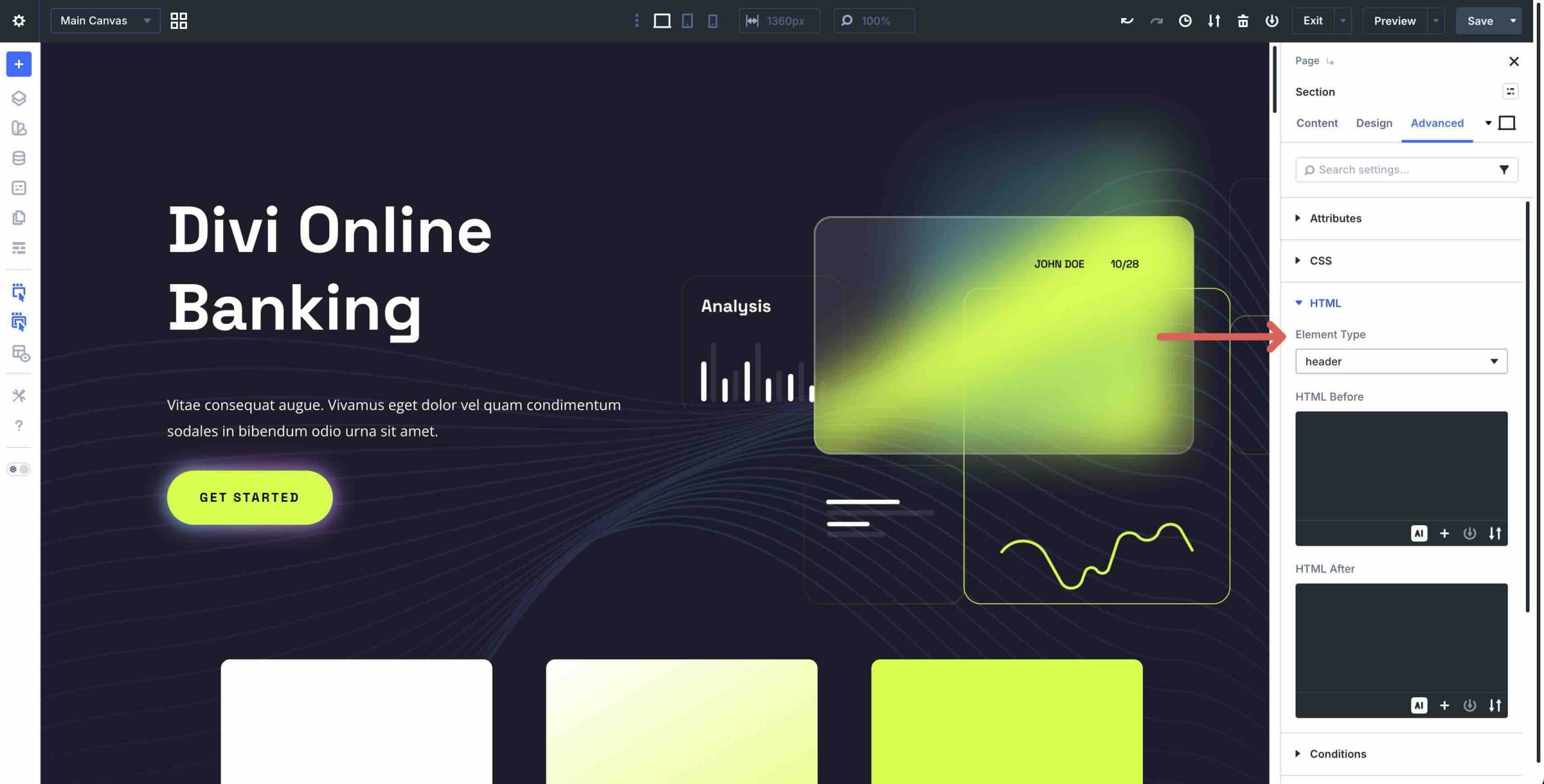
Divi 5 introduces Customized HTML Wrappers as considered one of its most sensible upgrades. This characteristic lives within the Superior tab > HTML choice group in each factor’s settings and offers highly effective markup management by means of two devoted fields: HTML Earlier than and HTML After.
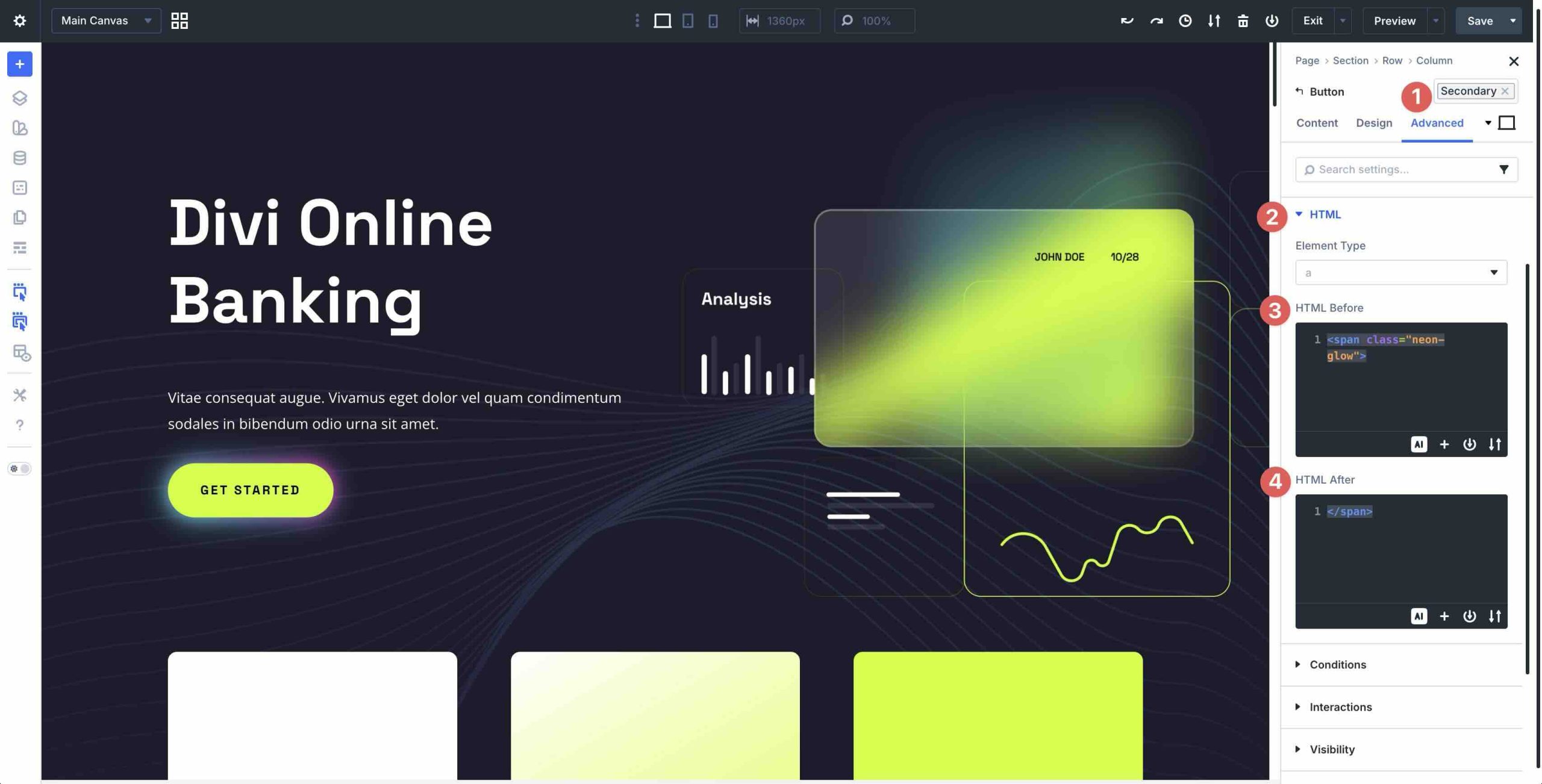
These fields will let you insert legitimate customized HTML straight earlier than and after a component’s output on the frontend. In apply, they operate like built-in wrapper factors connected on to the factor itself, one thing the normal Code Module can’t obtain due to Divi’s modular separation.
Key Options
You’ll be able to obtain true wrapping by opening a customized tag in a single subject and shutting it within the different. For instance, you would possibly add
within the HTML Earlier than subject and the closing
tag within the HTML After subject.
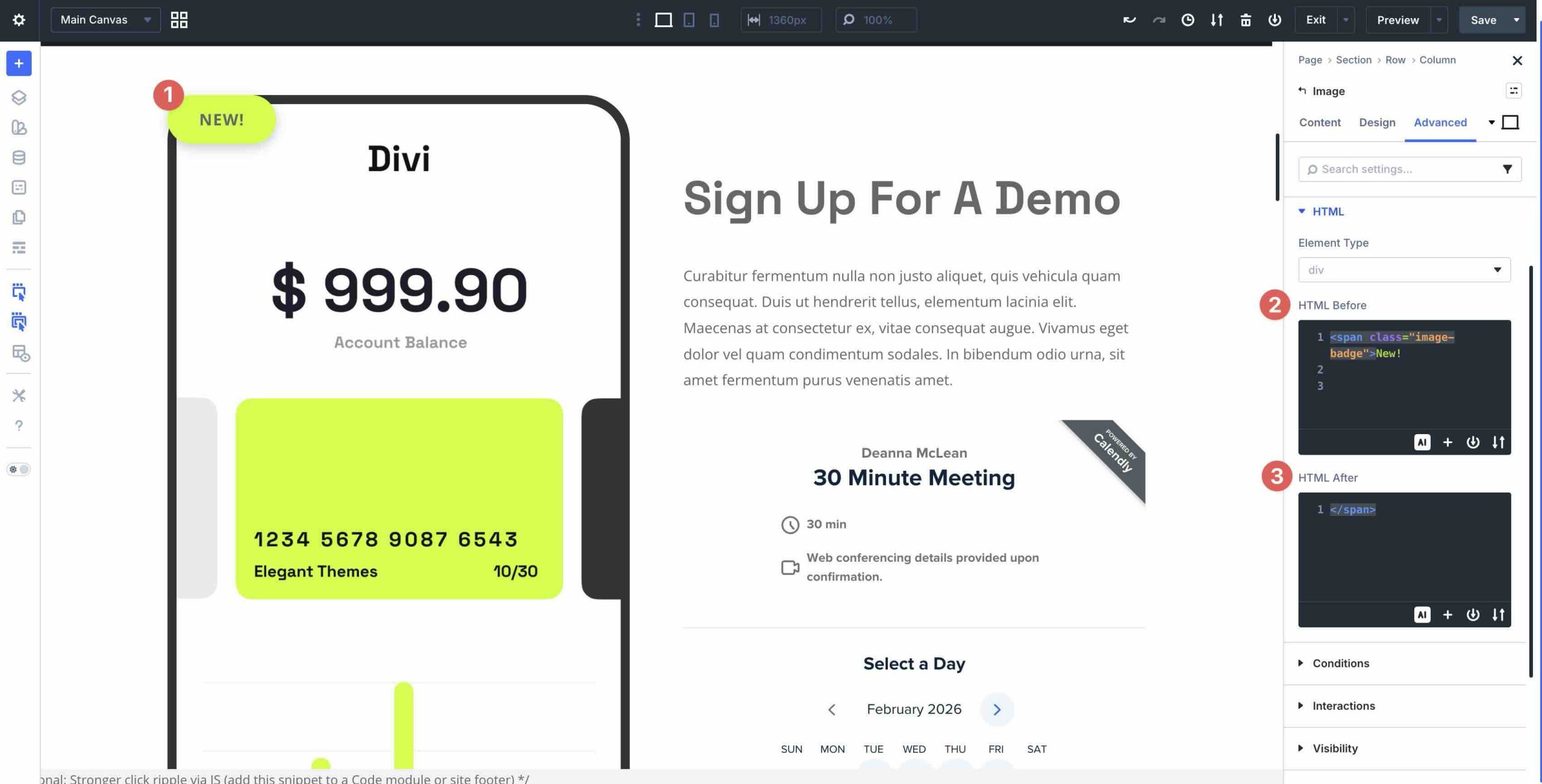
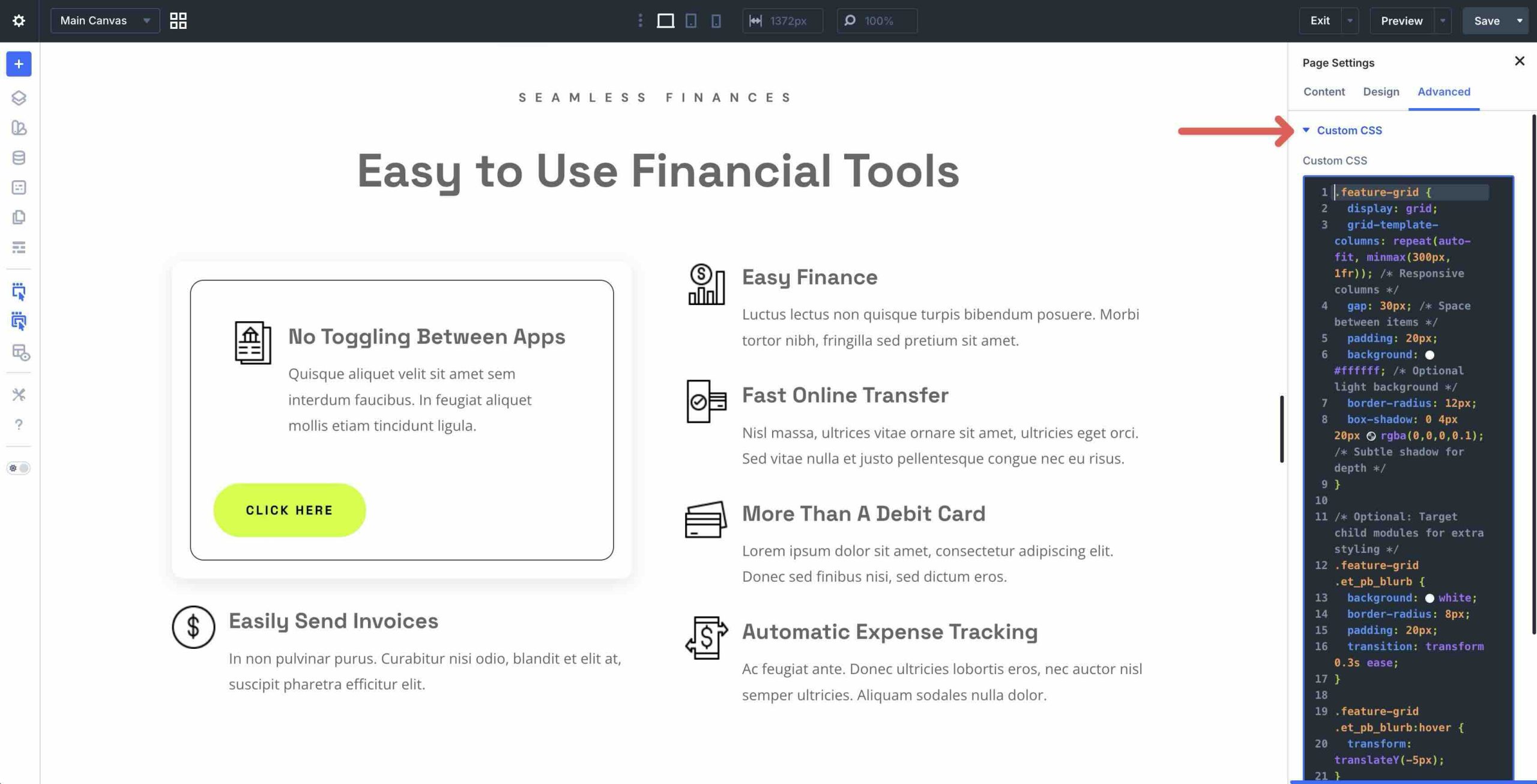
The result’s a neatly enveloped module, corresponding to an Picture with a badge overlay, with corresponding CSS within the Web page Settings Customized CSS subject or Theme Choices. It’s also possible to add attributes, micro-markup, helper components corresponding to badges, labels, or icons, and even light-weight supporting code the place wanted, proper up in opposition to the factor’s output in locations a standalone Code Module can’t attain.
Key Advantages
With Customized HTML Wrappers, you get cleaner, extra built-in HTML output with fewer pointless divs or additional modules, leading to slimmer, extra environment friendly web page supply code. The customized code can now work together with components straight as an alternative of being remoted within the format, like it’s with the Code Module. It delivers larger inventive freedom with out the same old hacks. You’ll be able to construct customized containers, add helper markup, enhance concentrating on for CSS, or insert labels and icons, all from contained in the Visible Builder.
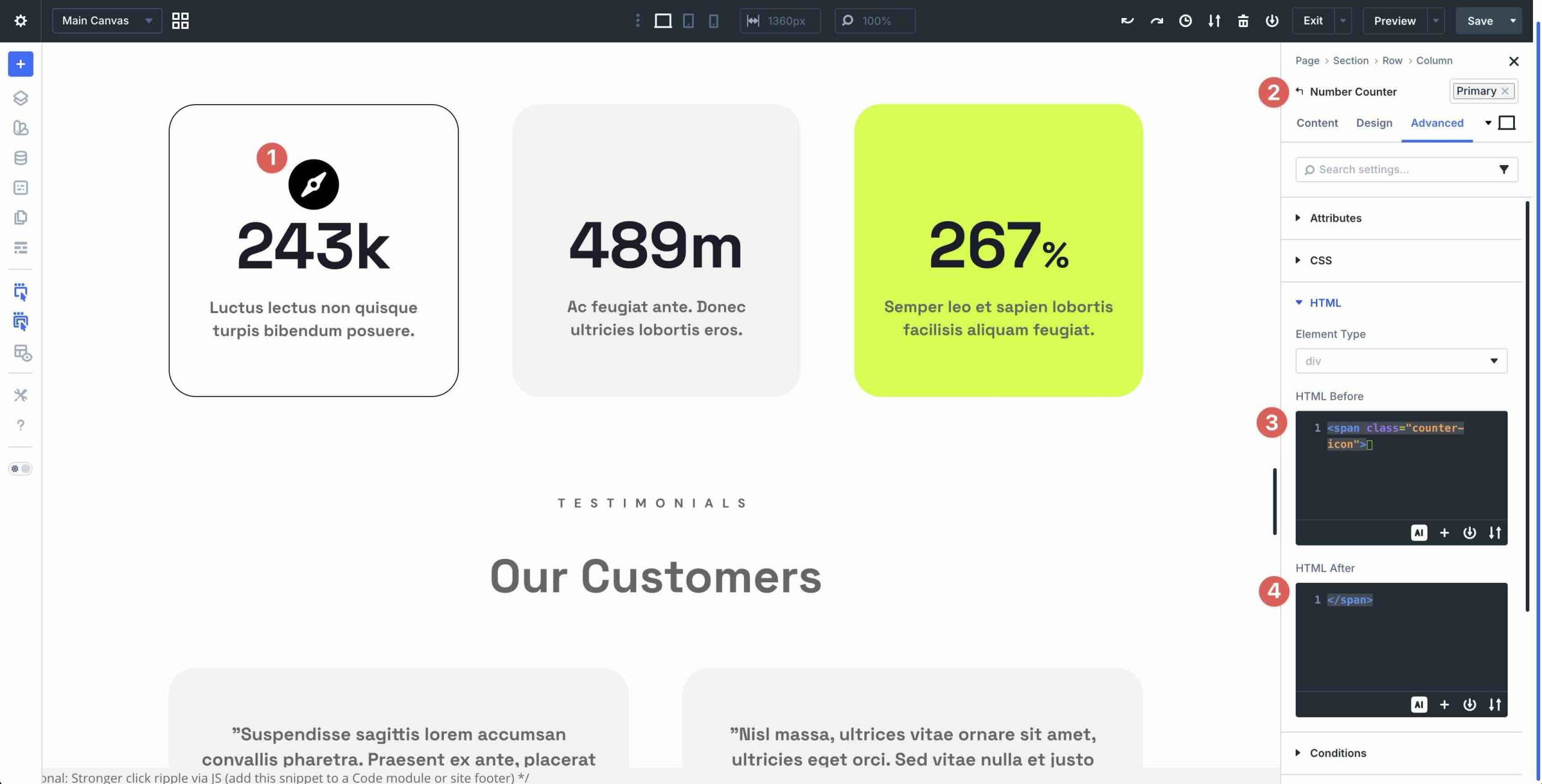
The HTML choice group additionally contains the Aspect Kind dropdown (Semantic Elements) for choosing semantic tags corresponding to nav, part, article, or button, which is nice for accessibility, doc construction, and search engine marketing.
Head To Head Comparability: Code Modules vs Customized HTML Wrappers
To make the variations crystal clear, right here’s a side-by-side breakdown of the 2 options throughout an important points for Divi customers:
The Code Module stays a robust alternative for self-contained components, whereas Customized HTML Wrappers excel at focused, built-in tweaks that tackle Divi’s earlier structural limitations.
Sensible Examples
Listed below are three sensible examples to point out the 2 in motion:
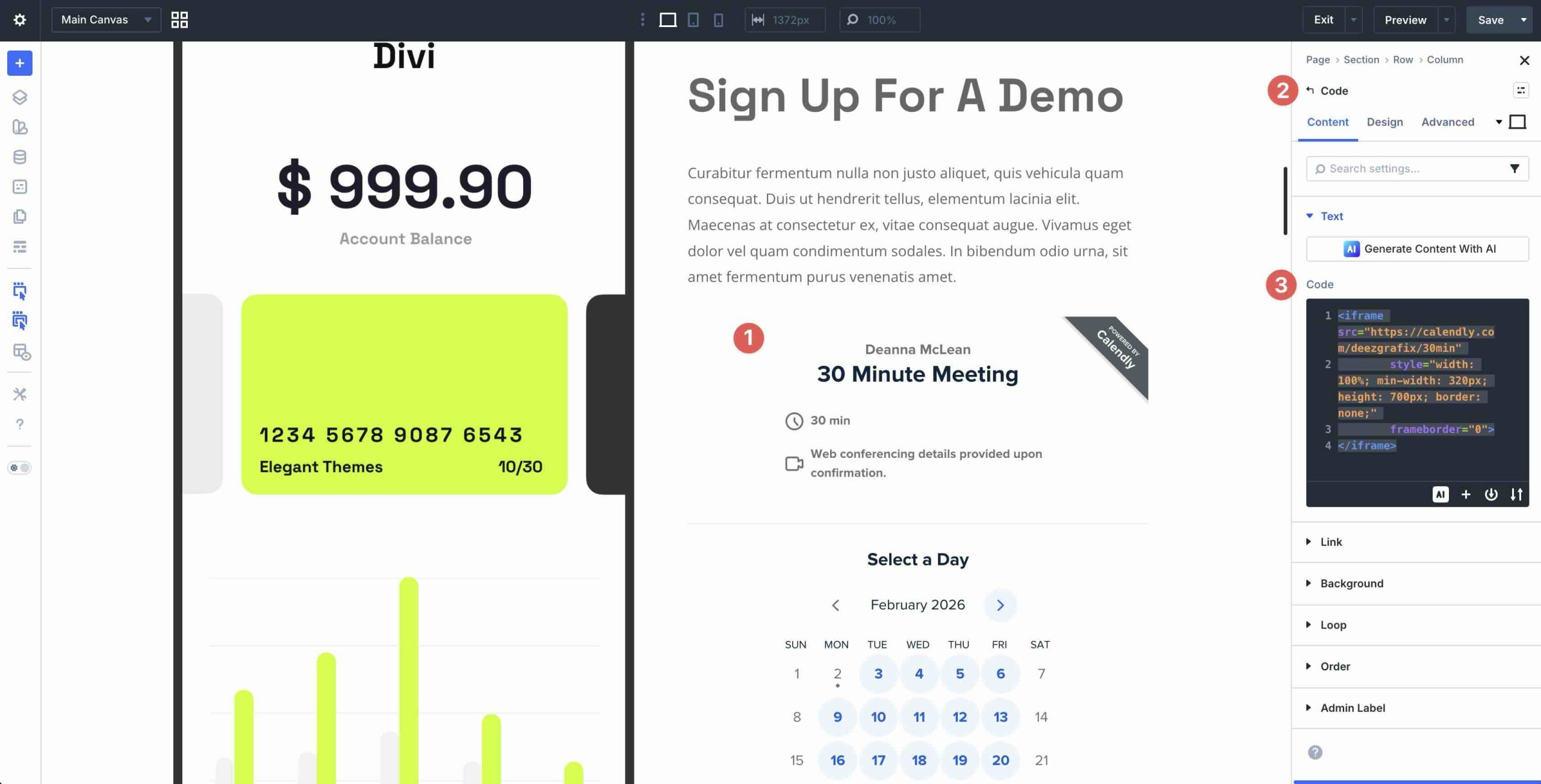
Including A Standalone Embed For A Calendar Widget
It is a basic win for the Code Module. You drag it into your format, paste the complete embed code, model the container with Divi’s background, spacing, and shadow settings, and place it precisely the place wanted. No wrapping or integration with different modules is required. Utilizing wrappers right here could be overkill and fewer intuitive, because you’d have to connect them to an present factor whereas nonetheless dealing with the complete embed logic.
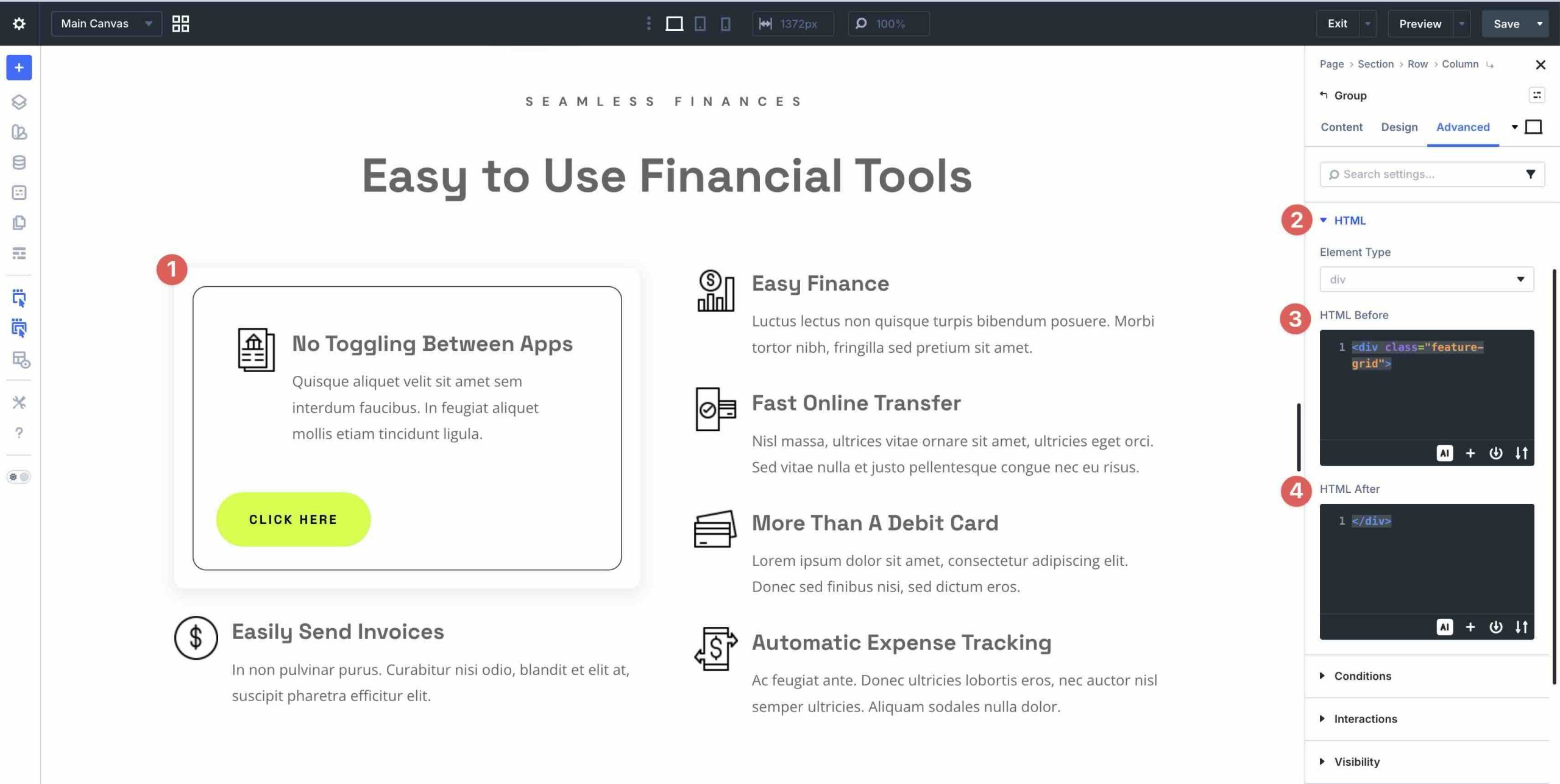
Wrapping A Module Group In A Customized Container
Enclosing a Module Group in
within the HTML Earlier than subject and a closing
tag within the HTML After subject lets you add customized types to it. The complete Group is now wrapped cleanly with out including an additional Code Module.
The result’s no added bloat, higher CSS concentrating on, and a extra maintainable construction. Any related CSS could be positioned within the Web page Settings Customized CSS subject or in Theme Choices.
With the Code Module, you’d want workarounds like additional structural components or duplicated markup, that are messier and extra vulnerable to breaking.
Inserting Opening And Closing Tags Round A Button
Including
within the HTML Earlier than subject and a closing
tag within the HTML After subject on a Button Module creates a neon glow impact utilizing Customized HTML Wrappers and CSS.
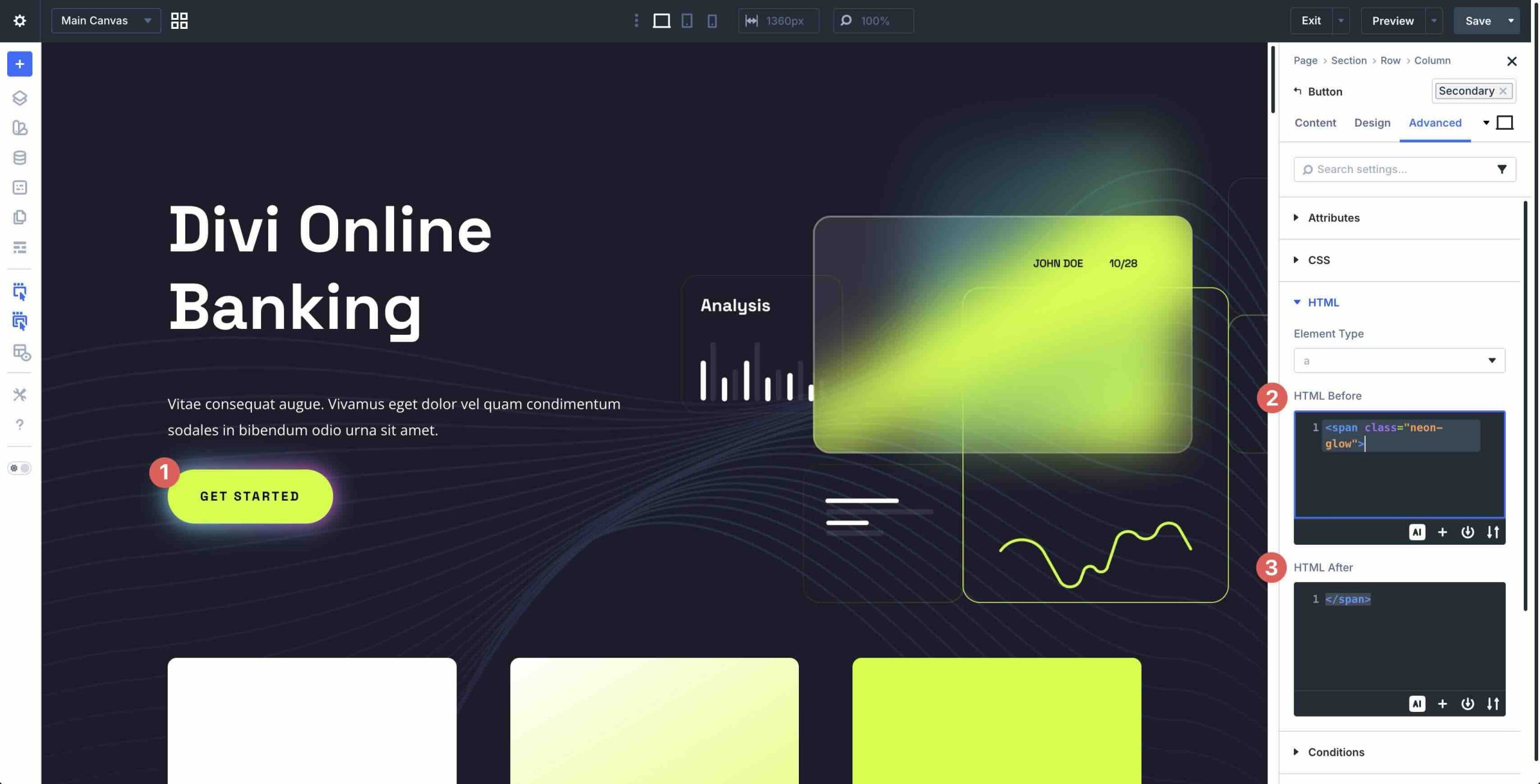
The tags hug the button’s output exactly, letting your CSS goal the wrapper for results like glows, gradients, overlays, or pseudo-elements.
A Code Module couldn’t do that with out recreating the Button. Wrappers make it easy, clear, and native to the factor.
These examples spotlight the truth that the Code Module is your dependable go-to for remoted customized items, however Customized HTML Wrappers unlock deeper, extra elegant management while you want code to work with Divi’s present construction moderately than alongside it.
When To Use Every Strategy
Now that we’ve lined what every characteristic does and the way they examine head-to-head, the large query is which one do you have to attain for in your subsequent challenge. The brief reply is that each have their place. The essential factor to recollect is that Divi 5 doesn’t substitute the Code Module. As a substitute, it enhances it with a extra exact various for sure jobs.
When To Use The Code Module
Use the Code Module while you want an unbiased, self-contained customized code block that stands by itself throughout the format, or while you’re embedding exterior content material or scripts that don’t require any direct tie-in to surrounding modules.
The Code Module excels in these situations as a result of it’s beginner-friendly, makes use of Divi’s design settings, and doesn’t drive you to fret about HTML construction or matching opening and shutting tags. It stays the quickest, most simple choice for shortly including remoted components, corresponding to Calendly scheduler embeds, third-party widgets, or customized JavaScript snippets that function independently with out interacting with different elements of the web page.
When To Use Customized HTML Wrappers
Use Customized HTML Wrappers when you might want to wrap, prefix, or suffix present modules. For instance, including helper markup round a Button module to create superior results like glows. Additionally they take advantage of sense while you’re aiming for cleaner HTML output, lowered format bloat, or code injections in spots {that a} standalone Code Module can’t attain.
Wrappers shine in these instances as a result of they connect on to the factor itself, producing slimmer, extra built-in frontend output and eliminating the necessity for workarounds like hidden divs, duplicated construction, or additional format layers. They’re particularly worthwhile for builders and superior customers who prioritize tight integration, maintainable code, and optimized efficiency when constructing advanced layouts.
Advantages And Finest Practices
Switching to Divi 5’s Customized HTML Wrappers brings noticeable upgrades for anybody who’s frolicked wrestling with code.
The most important advantages are:
- Cleaner Code And Fewer Format Workarounds: By attaching code on to components, wrappers get rid of the necessity for additional modules or hidden divs that bloat your web page supply code. The result’s slimmer web page markup with much less nesting, making your HTML simpler to learn, goal, and debug.
- Higher Efficiency Potential: Lowered structural layers lead to lighter Doc Object Mannequin timber, which might enhance rendering effectivity, particularly on advanced pages with many modules. Fewer pointless components may assist maintain layouts simpler to keep up over time.
- Extra Maintainable Websites: Modifications are localized to the precise module you want, so updates are faster and fewer more likely to break different elements of the format. It is a big step towards skilled, scalable Divi web sites.
After all, no device is ideal. Customized HTML Wrappers do require a stable understanding of HTML. Understand that mismatched opening and shutting tags can break your web page format or trigger rendering points which are tough to identify within the Visible Builder. Learners would possibly discover them intimidating at first in comparison with the Code Module, which stays the better, quicker alternative for fast duties.
Finest Practices To Get The Most Out Of Wrappers
- Validate Your HTML: At all times test that opening tags in HTML Earlier than match closing tags in HTML After. Use browser dev instruments or a web-based validator to catch errors early.
- Take a look at For Accessibility And search engine marketing Influence: Customized wrappers can improve semantics when paired thoughtfully, however mismatched tags can confuse display screen readers and weaken construction. Run pages by means of instruments like Google Lighthouse or WAVE to make sure no regressions in accessibility scores or landmark construction.
- Begin Small: Start with easy assessments on a single module earlier than tackling advanced wraps. Preview on the frontend actually because some results might look totally different within the Visible Builder versus the stay website.
- Maintain It Light-weight: Reserve wrappers for exact injections or structural tweaks. Save heavier embeds or full scripts for the Code Module to keep away from overloading the fields.
By following these habits, you’ll harness Divi’s Customized HTML Wrappers whereas minimizing dangers. The result’s cleaner, quicker, and extra skilled Divi 5 web sites.
Begin Constructing In Divi 5 At this time!
Divi 5‘s Custom HTML Wrappers change how we management web page markup contained in the Visible Builder. By letting you inject exact HTML earlier than and after any module, these fields allow true wrappers, focused markup, and fewer format hacks. However, the Code Module isn’t going wherever. It stays the perfect alternative for remoted embeds, standalone scripts, third-party widgets, or any self-contained customized block that advantages from Divi’s full design controls.
Collectively, these instruments present simplicity for fast duties and surgical precision for superior, maintainable builds. The result’s slimmer code, higher efficiency potential, simpler debugging, and extra skilled Divi websites total.
We encourage you to download Divi 5 at present, open a take a look at web page, and experiment with the HTML Earlier than and After fields on a number of modules. See how they rework your workflows, then share your favourite use instances within the feedback beneath.